
Harnesses
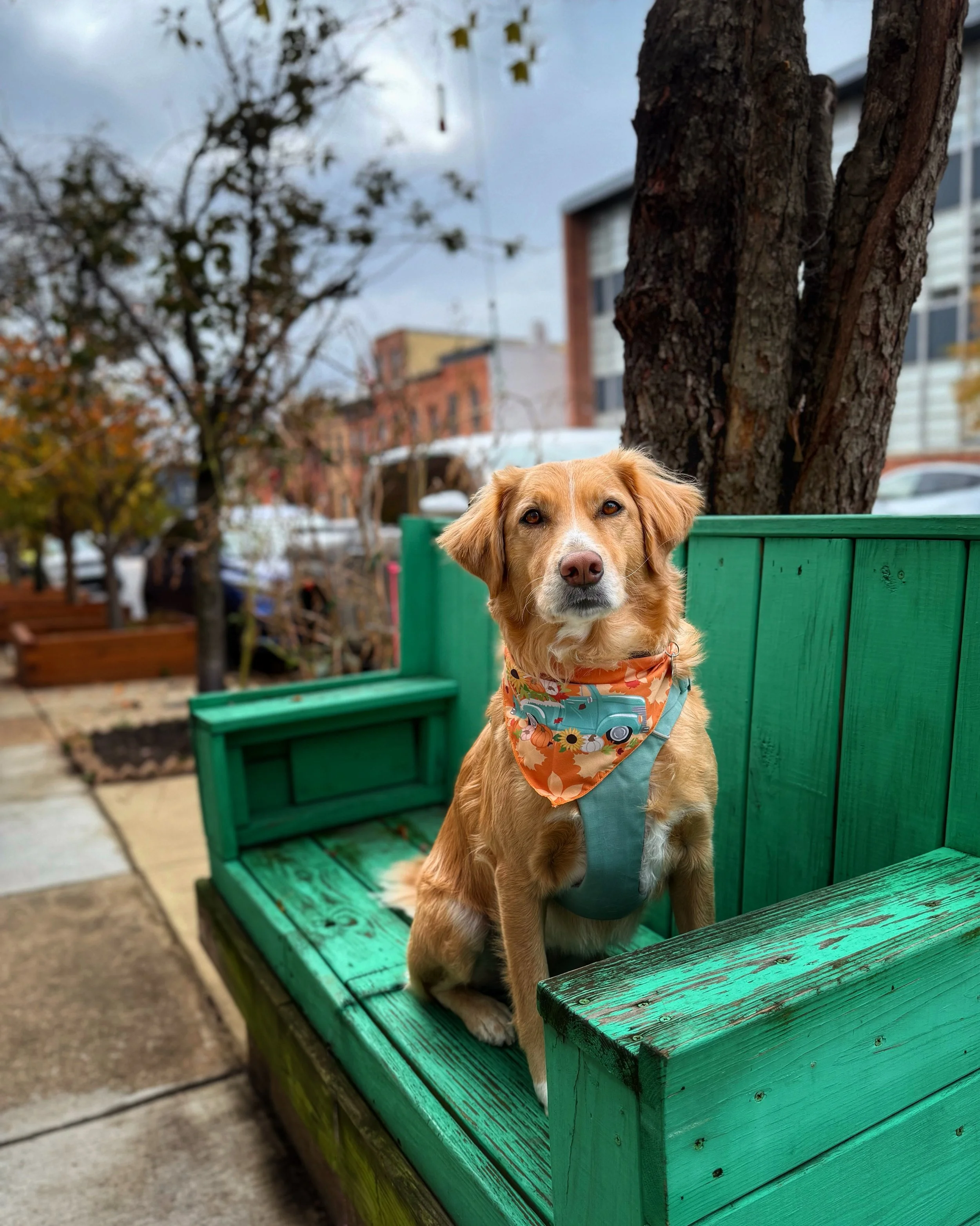
The harness you choose matters tremendously!
This page will show you what to look for, explain why it’s important, and share specific recommendations.
What makes a good harness?
-
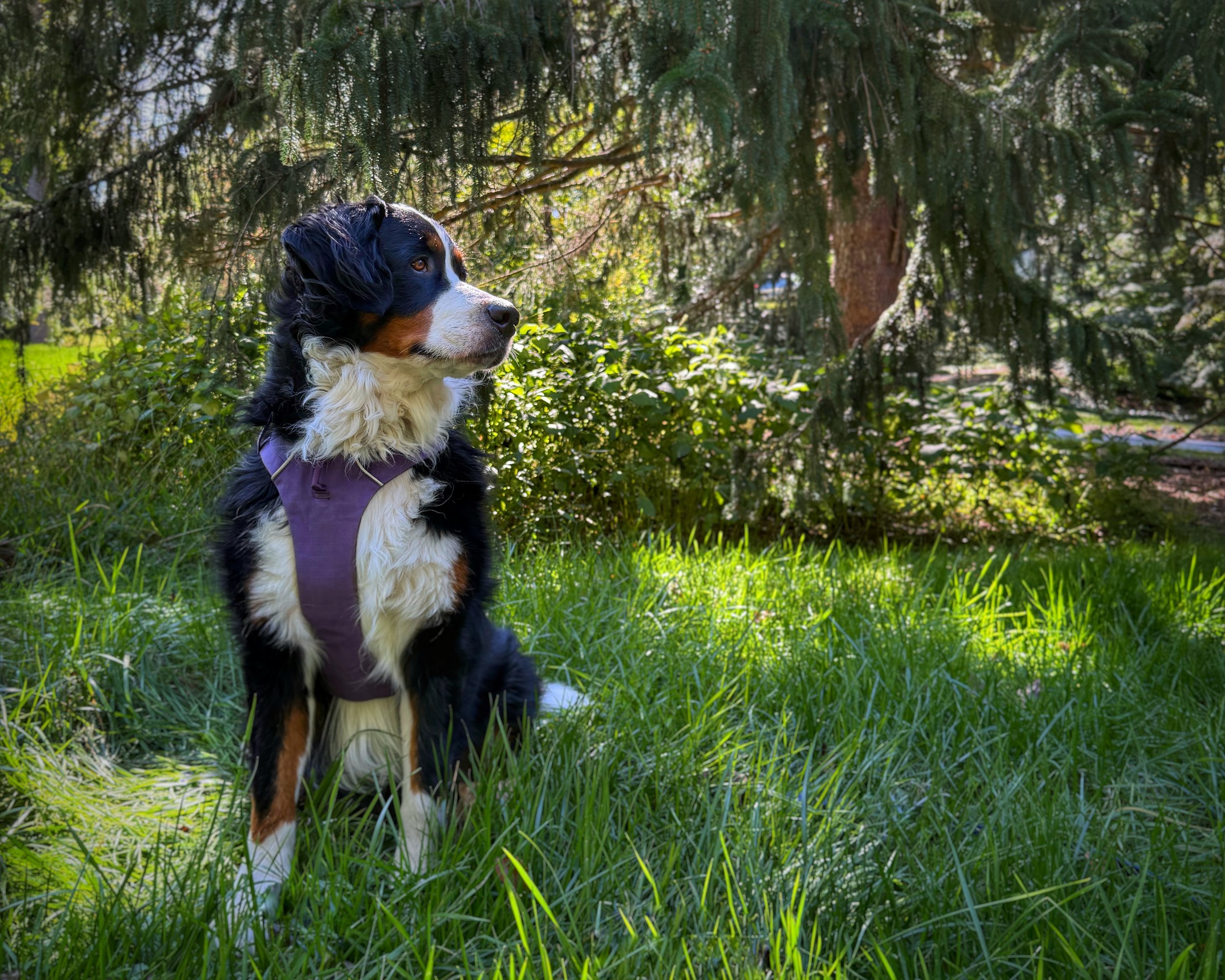
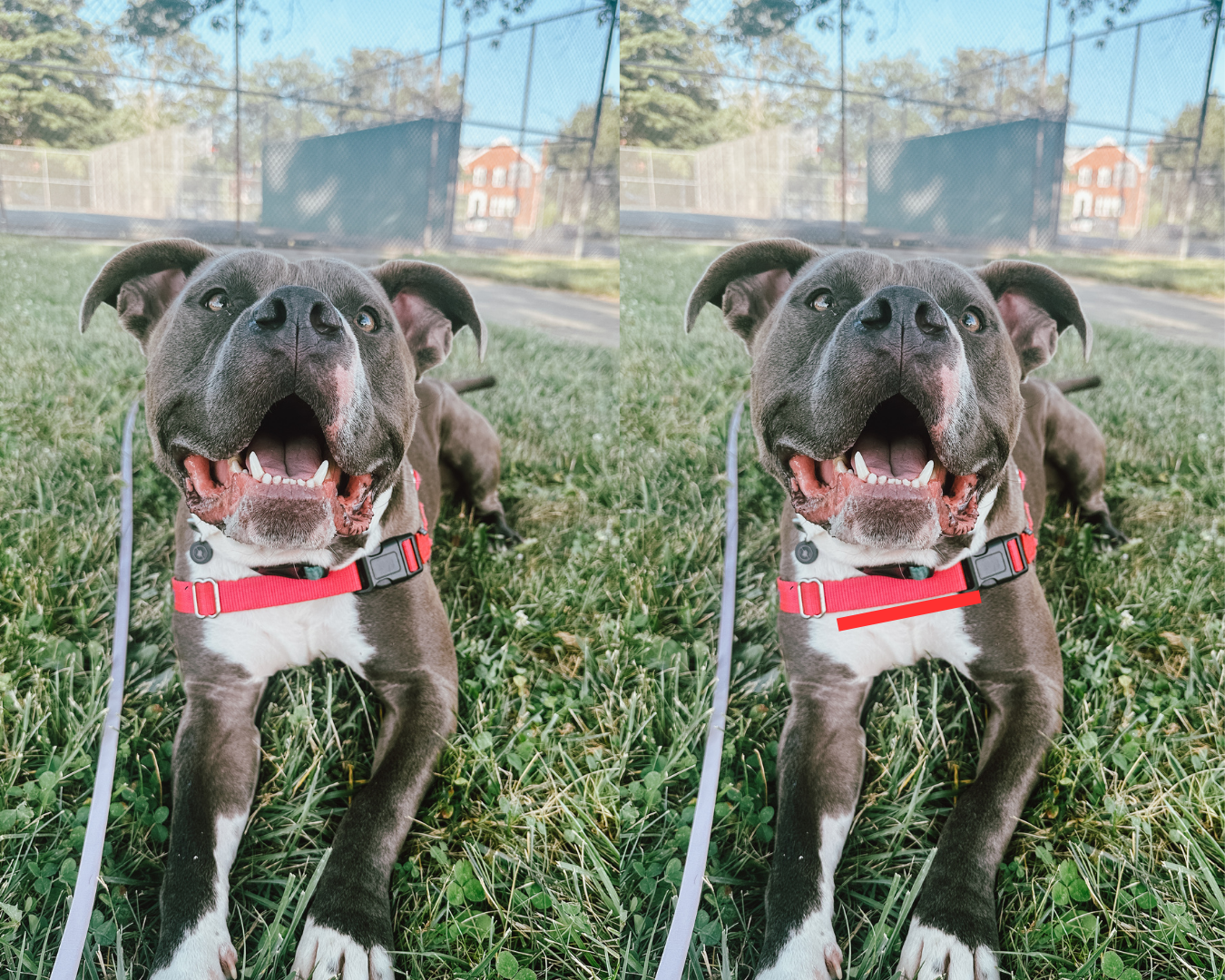
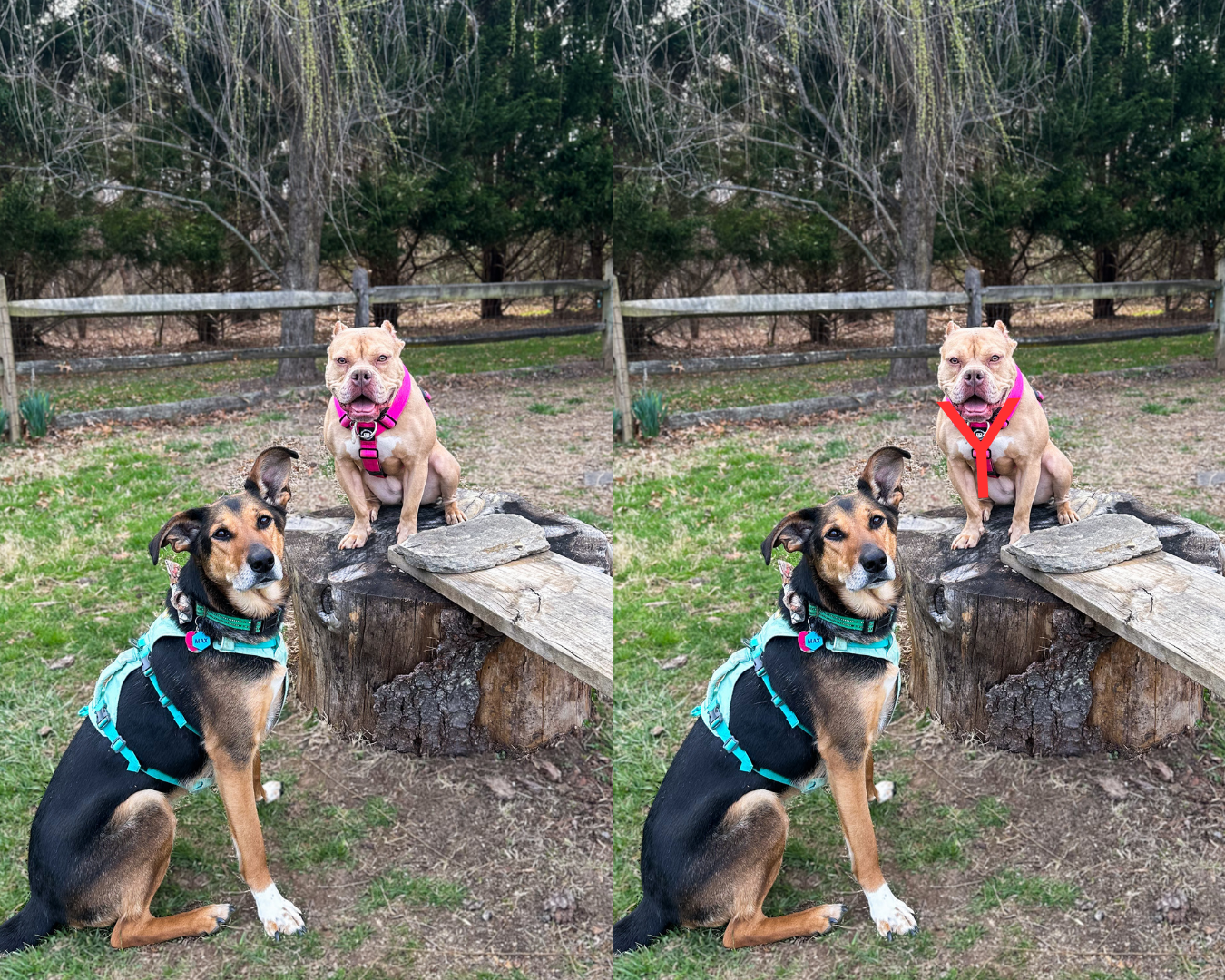
See the “Y” going up the dog’s chest and around each side of the neck? That is an anatomically-friendly harness that allows your dog to move naturally. It’s usually referred to as a “y-front" harness.
-
There shouldn’t be straps restricting the movement of the shoulders in any way.
Features like pinching and squeezing often reduce pulling, but that only works because it causes discomfort. They can also cause injuries. It’s better to rely on training, not equipment, to teach your dog not to pull.
-
Some dogs are escape artists and back out of their harness with ease. Harnesses with an extra strap around the body make it MUCH harder (often impossible) for that to happen!
Other dogs are sensitive to gear sliding over their head. Harnesses that clip around the neck as well as around the belly avoid that problem altogether.
-
Dog bodies vary; don’t assume the harness you like will fit your dog well! Make sure the strap doesn’t chafe the arm pits, the neck loop is off the shoulders, and it’s fitted properly.
-
The straps around the body and the neck MUST be adjustable! If you can’t adjust both, DON’T BUY IT.
A bonus adjustment is the piece that runs down the front of the dog (connects the neck and chest straps).
-
The connection for the leash should be on the dog’s back behind the shoulder blades, not on top of them. Many harnesses made for aesthetics instead of function will have the connection in the wrong spot, so be careful about this!
Don’t just take my word for it…
Use the arrows to review the images in this post for a visual demonstration of why certain harnesses are better than others.
Brief Harness FAQ
-
Yes! Non-restrictive equipment is more important for the tinies because the size difference between us puts them at greater risk of accidental injury.
-
Depends on what you mean.
If you’re saying that the harness “doesn’t work” because it isn’t changing how your dog behaves, then I have good news: that’s not a problem! Equipment isn’t intended to change your dog’s behavior or train them. Equipment is just there to keep your dog safe. We will not be using the harness to train your dog, to communicate with your dog, etc. The harness is a way to keep your dog tethered to you as you move through the world.
Now, if you’re saying the harness “doesn’t work” because your dog doesn’t like wearing it, that’s another matter. There are three possibilities here:
Most dogs like this need a gentle introduction and some help getting used to it, and then it’s no big deal.
Other dogs are “gear shy” in general and don’t like the process of putting on the harness, but aren’t aggravated by it once it’s on. We can work with them to feel better about gearing up and/or we can get them a harness that doesn’t need to slip over their head (Blue9 Balance harness listed below).
Lastly, some dogs do genuinely despise the feeling of wearing a harness. This is rare, but for those dogs, we can work together to find another equipment option that’s safe and humane.
-
Yes, your dog might pull more in a non-restrictive, y-front harness because there’s nothing about a non-restrictive design that creates discomfort when they pull. We shouldn’t expect equipment to train our dog or change their behavior, including limiting it. Training does that, not equipment. If your dog is pulling more, that’s a sign to step up your training efforts, not change harnesses.
-
“No-pull” harnesses like the EZ Walk Harness, the Freedom Harness, or any harness that impedes shoulder motion reduce pulling because they create discomfort when the dog pulls. It wouldn’t work if it wasn’t uncomfortable!
But when we choose harnesses that cross and/or squeeze the shoulders or chest, we do so at our dog’s expense. These harnesses put our dogs at risk for injuries and pain, particularly when we use them long-term. This is why I don’t recommend them.
One more word about “no pull”:
These days, any harness with a front clip is advertised as “no pull,” which in my opinion is woefully misleading. The front clip on a Y-front harness can potentially limit your dog’s pulling, but more often than not, it just twists the harness around their shoulder as they pull. This can create a safety risk (some dogs are experts at wiggling out of a twisted up harness), it can cause injury by causing the dog to walk abnormally in order to continue forward, but at the very least, the feeling of the twisted up harness can be super aggravating. If your dog is amped up enough to be pulling, adding a tactile aggravation is going to add more fuel to that fire. Just use the back clip!
The Best Harness Design: The Y-Front
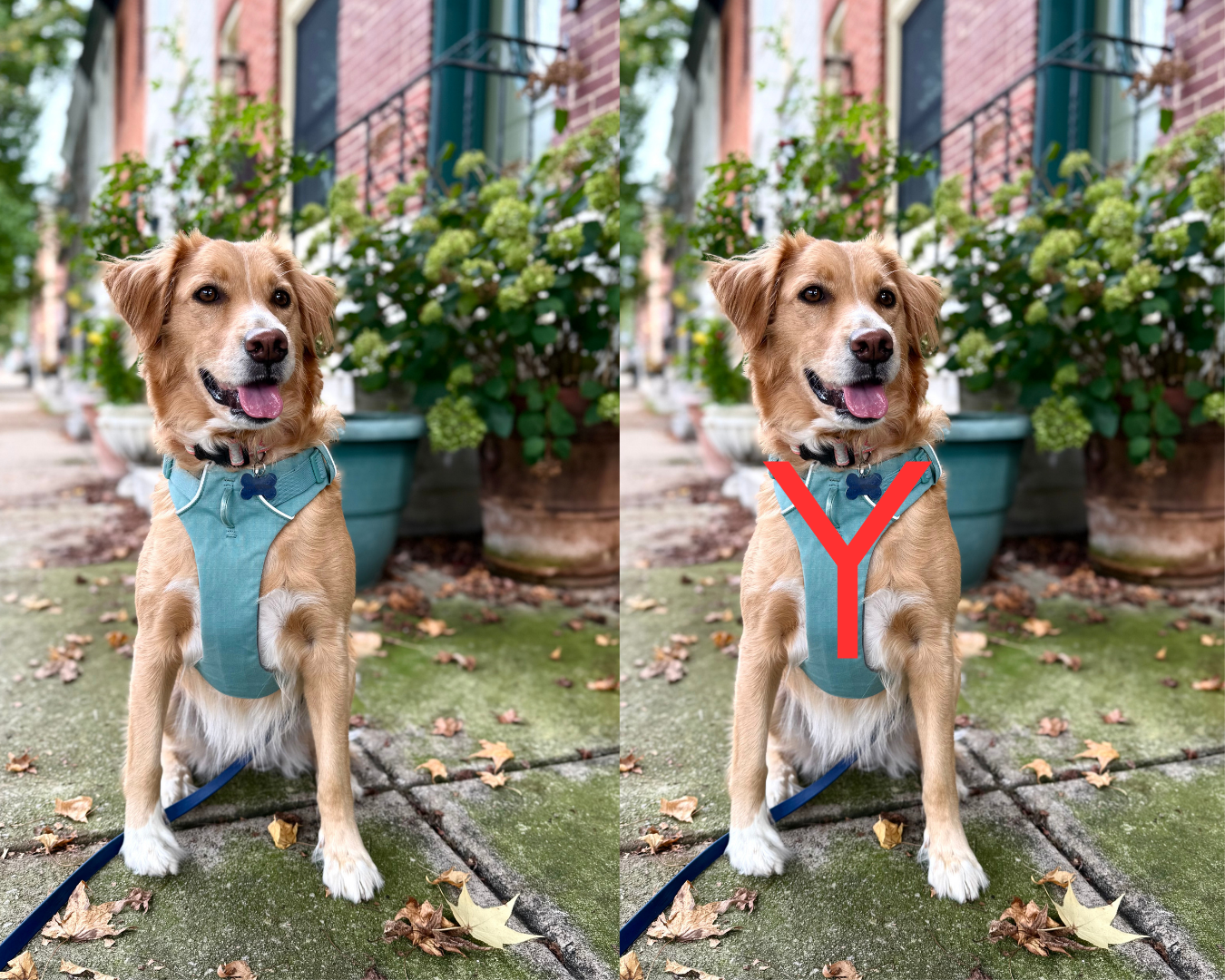
Do you see the “Y” shape that goes up the chest and around each side of the neck? That is an anatomically-friendly harness.
No Y, no buy!
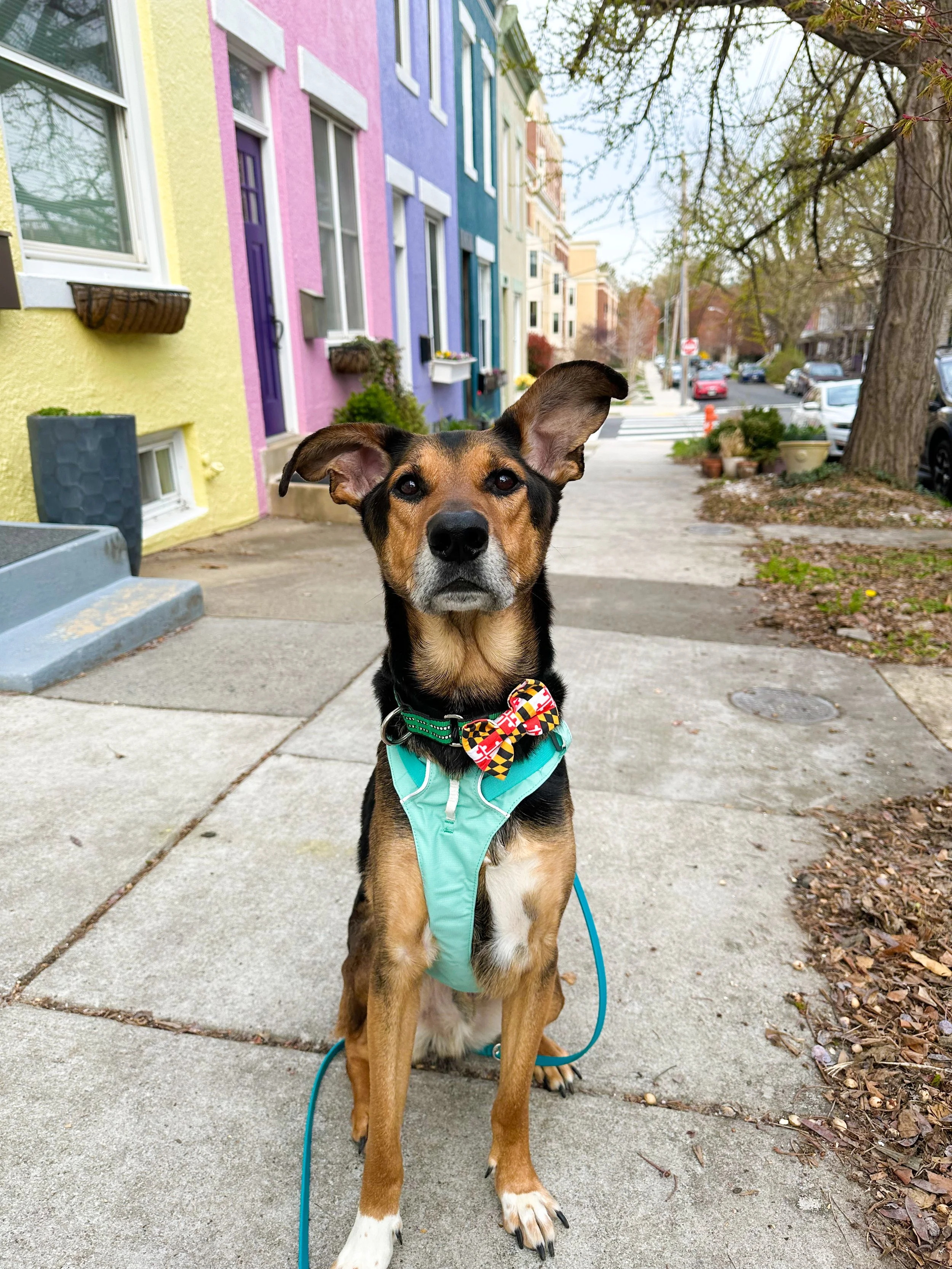
Spot the “Y”—or lack thereof…
-
![]()
Most Y-front harnesses are obvious!
This is the Ruffwear Front Range harness, which is a fantastic option for nearly any dog. It’s detailed below (the “fits most dogs” option).
-
![]()
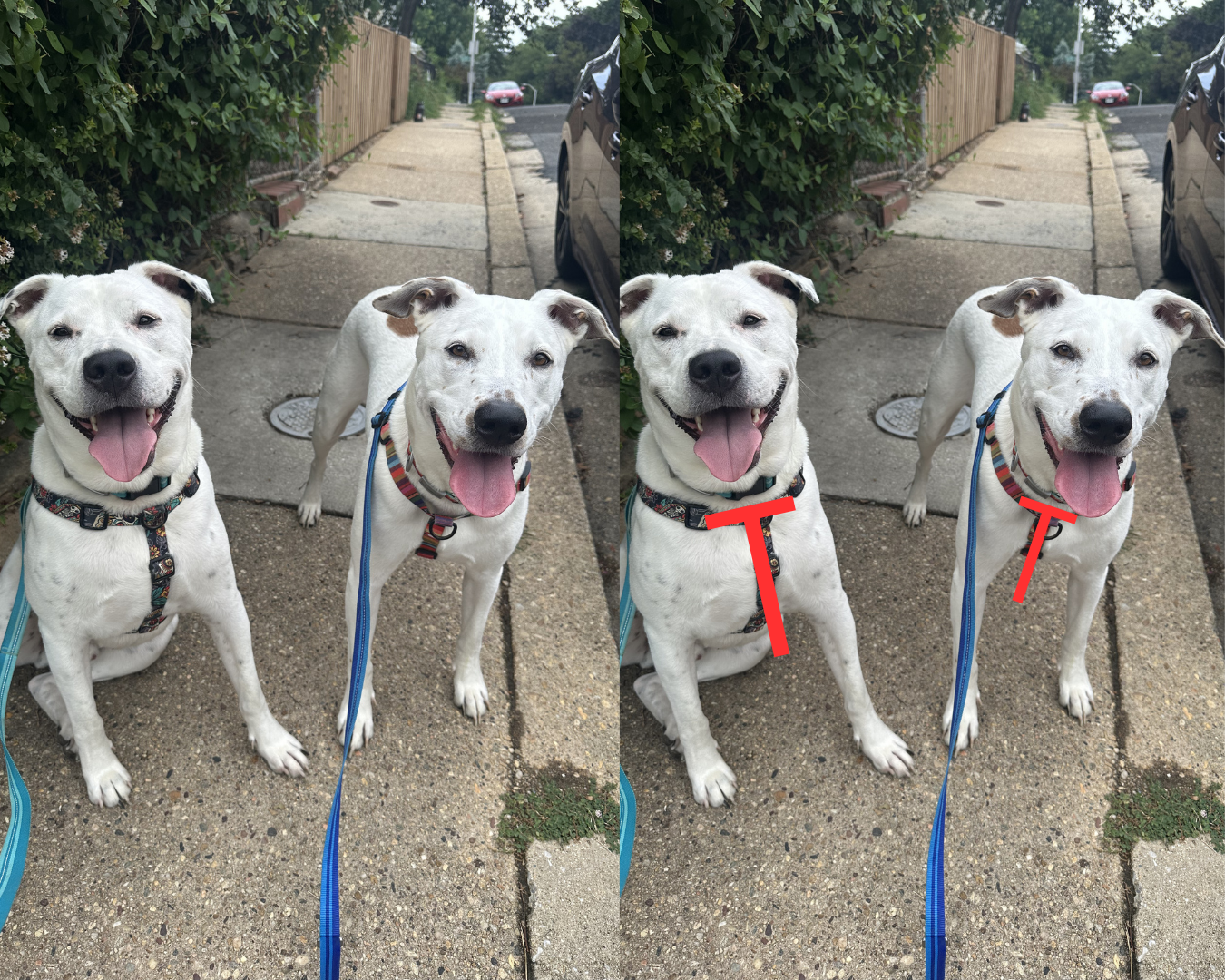
Tip: Look at the shoulders
Sometimes it’s tricky to tell a Y from a T. A “T” shape crosses the shoulders, which impedes their motion. This is easier to see on the dog on the left.
-
![]()
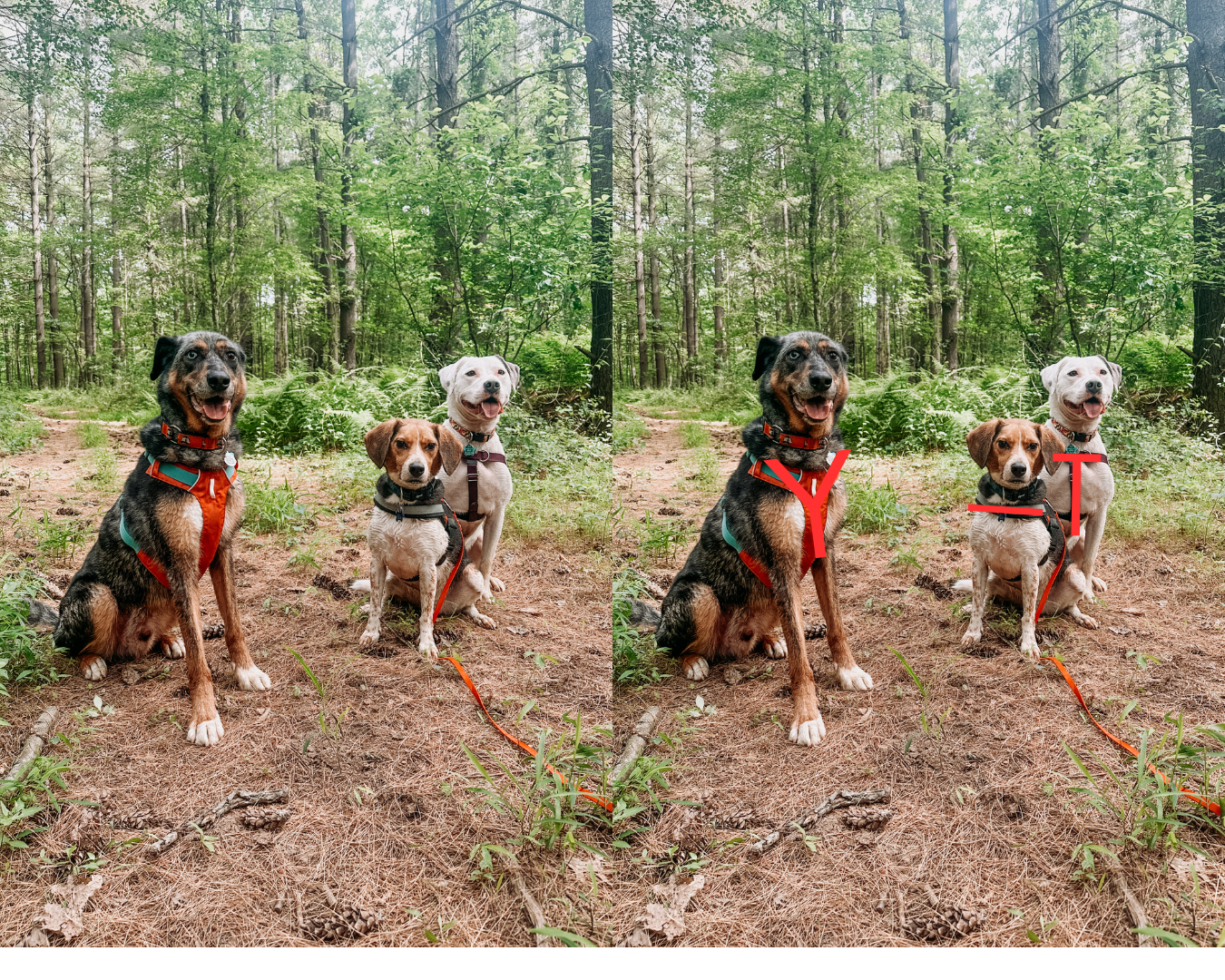
Y-front harness side-by-side with others
The Y-front harness on the left is the Ruffwear Hi and Light, which is essentially the same as the Front Range except it’s lightweight.
The harnesses on the right impede shoulder motion. You can clearly see how both cross the shoulders.
-
![]()
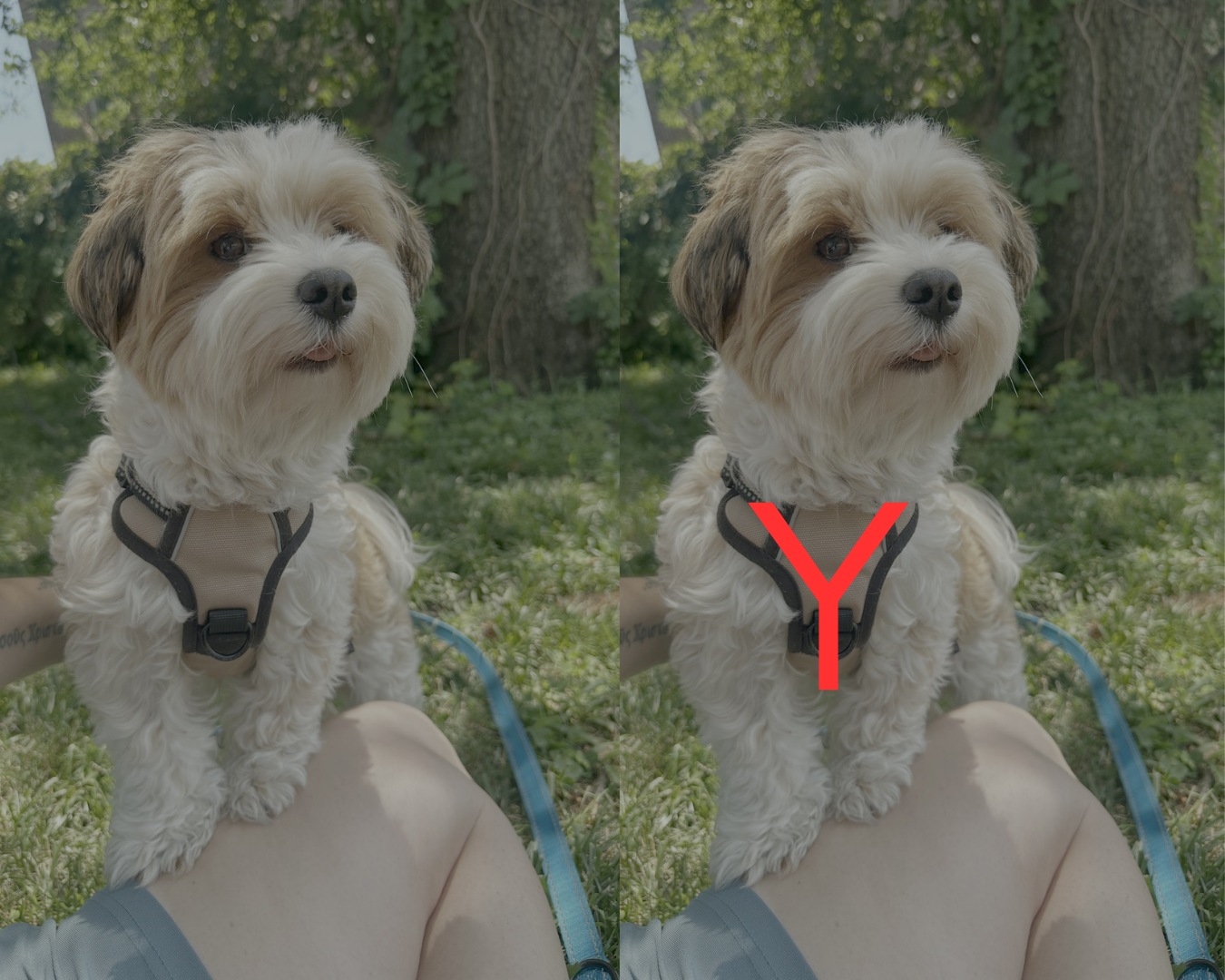
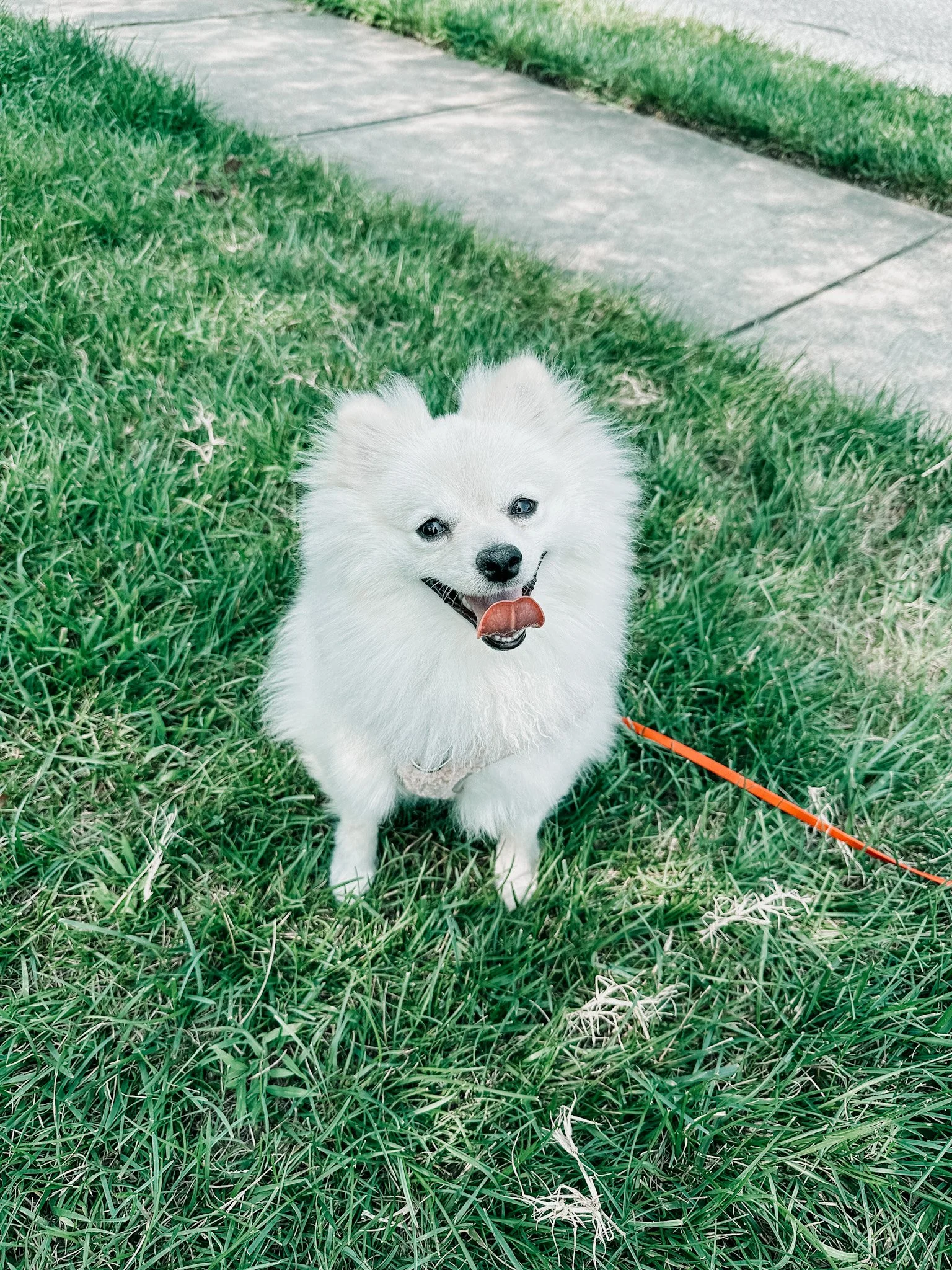
Small dogs deserve quality, adjustable Y-front harnesses, too!
There are SO many cute harness options out there, but most of them are problematic and can cause issues over time (and sometimes quickly). Make sure they’re a Y-front AND adjustable around the body AND THE NECK!!
-
![]()
This is an Easy Walk harness modified with clip in the back.
When worn as intended, the Easy Walk harness has a loop in the front which squeezes the shoulders together. Not only does this impede the natural motion of the shoulders, but it’s very uncomfortable. It has to be uncomfortable in order to deter pulling. This harness is terrible for shoulder health, and when fitted backward (like in this photo) it squeezes the body, which isn’t healthy either.
Better to use training to teach leash manners than to rely on tools.
-
![]()
Shoulders need full, unimpeded range of motion!
See how her giant shoulders are completely free? That’s what we want! This Y-front harness is from Bully Billows (a quality brand, especially for bullies).
Harness Recommendations
Click images to jump down to a full description of each recommended harness.
NOTE: I don’t partner with any brands I recommend, nor do I profit off of these recommendations in any way. These are just products I’ve found to be reliable and feel comfortable recommending to others.
The harness that fits most dogs really well:
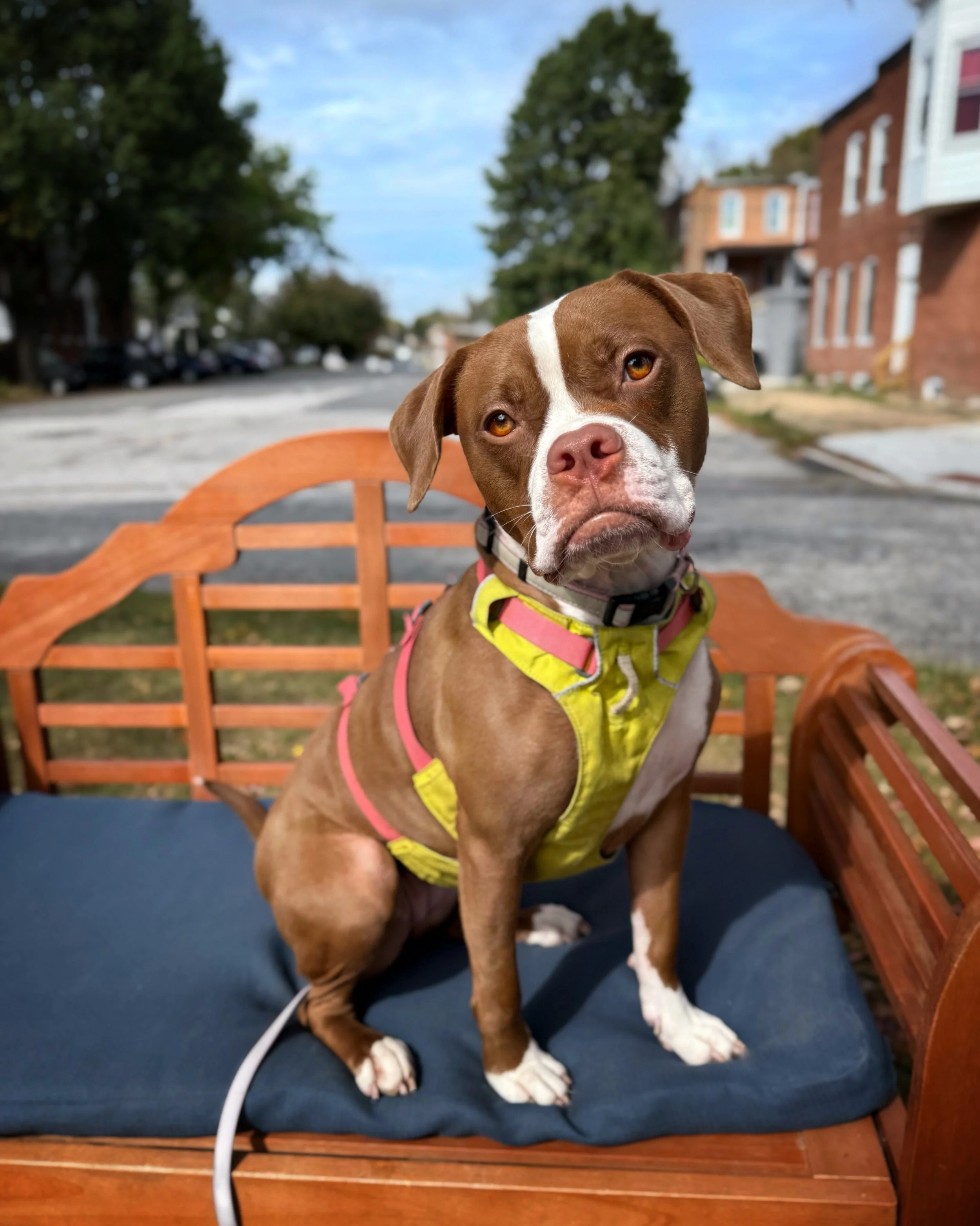
Ruffwear Front Range
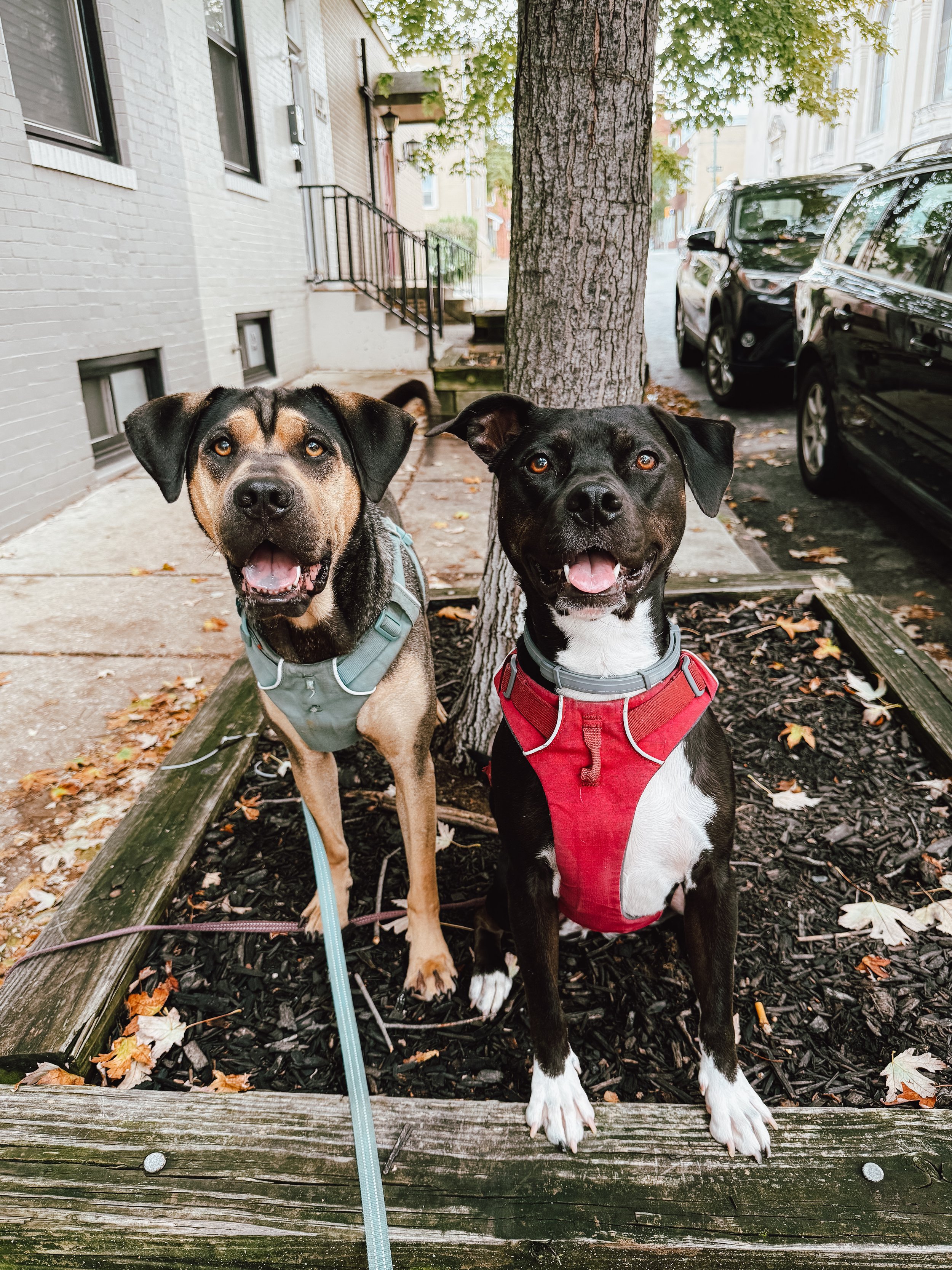
Pros:
I have yet to find a dog who isn’t comfortable in this harness!
Well made and reliable. Lasts for years!
Padding around most of the straps to prevent discomfort
Reflective trim
Cons:
The front piece isn’t adjustable.
No handle
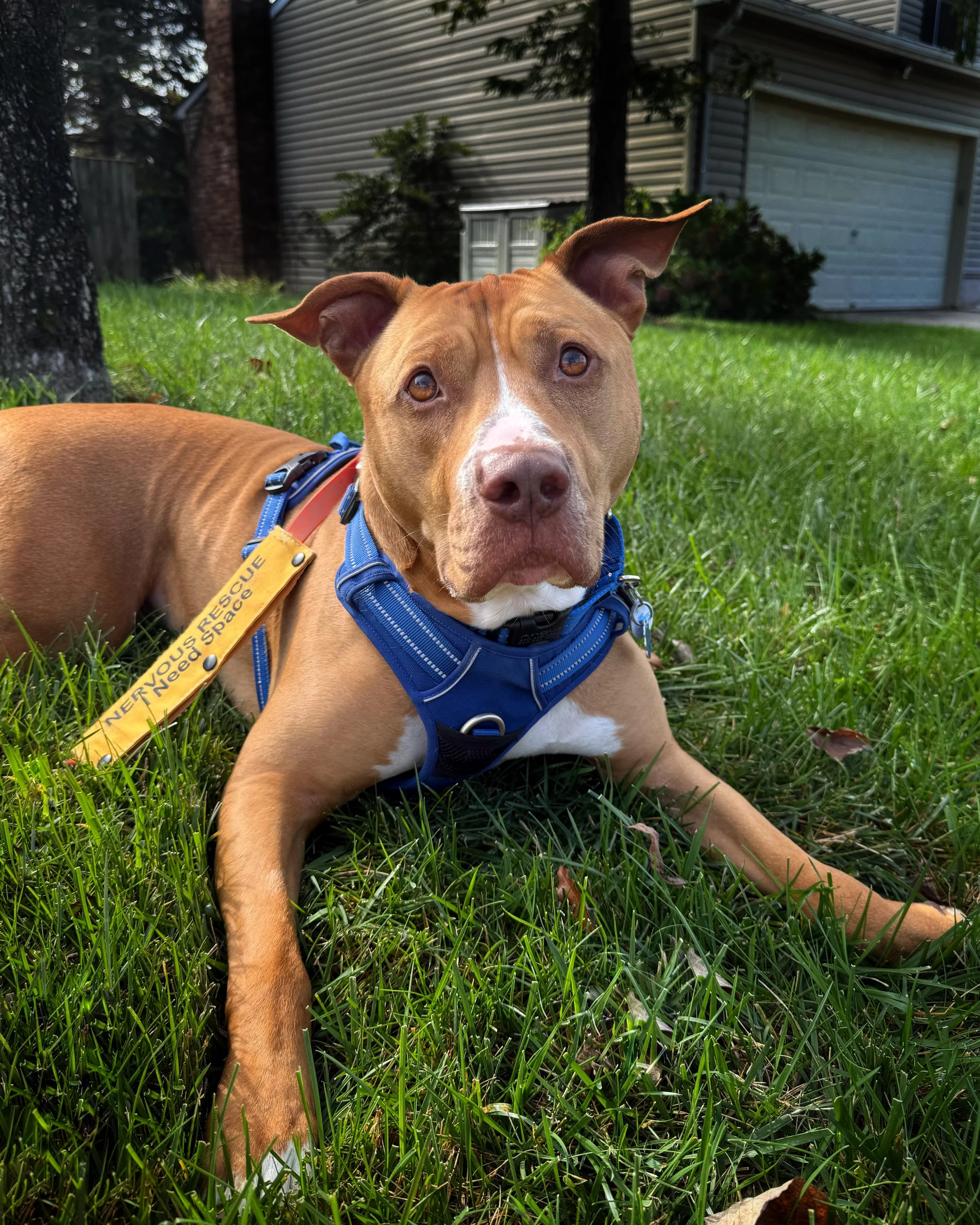
Chai’s Choice “Premium Quick Release Outdoor Adventure”
Quality harness that’s also budget-friendly:
Pros:
Built-in padding
Less expensive than most quality harnesses, but still seems reliable
Reflective stitching
Handle on the back
Cons:
A bit clunky… not as streamlined and neatly designed as the other harnesses I recommend
There is a similarly-named Chai’s Choice harness that is easy to mistake for this one (it’s not the same!)
The harness that prevents escape (“H-harness”):
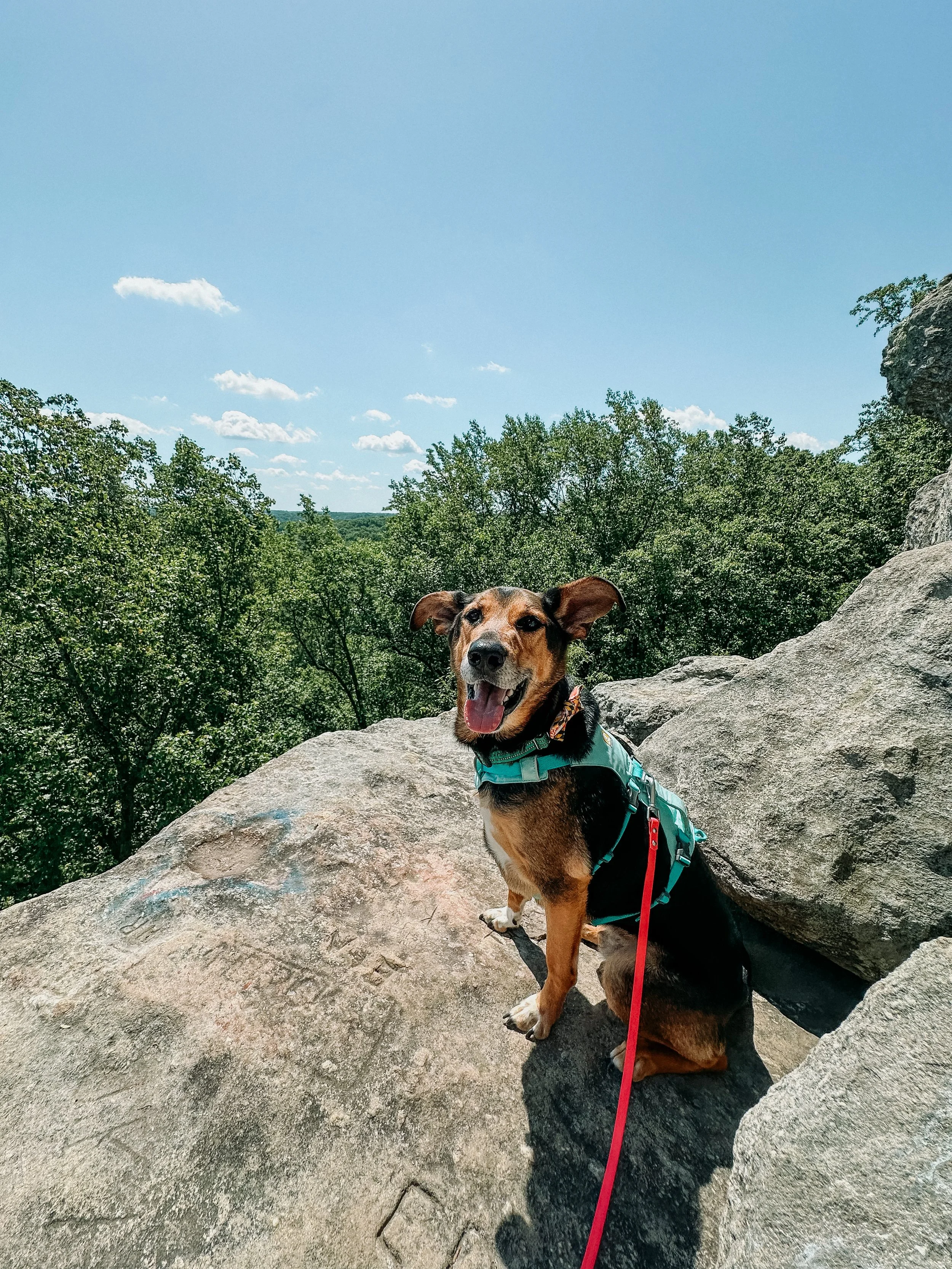
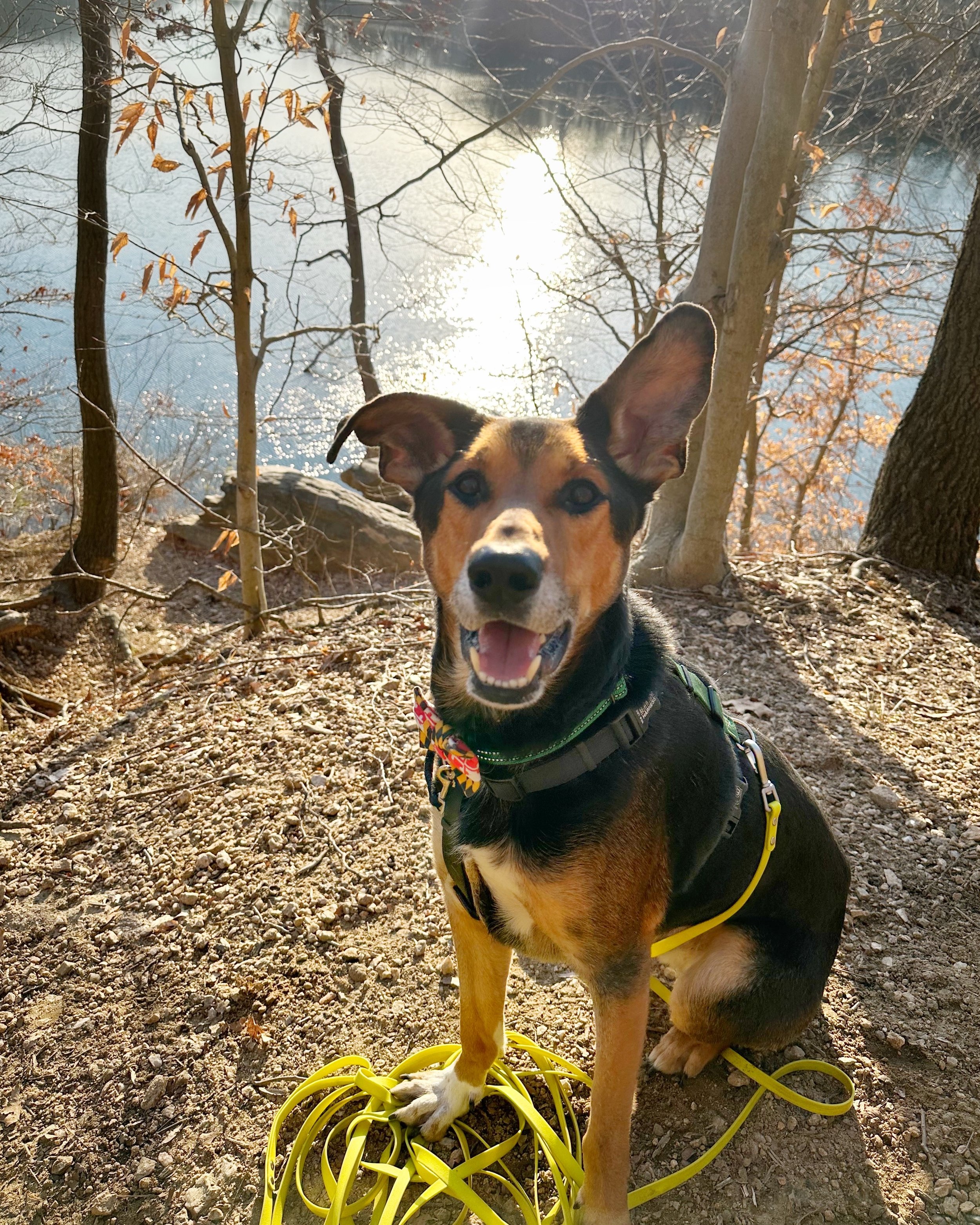
Ruffwear Flagline
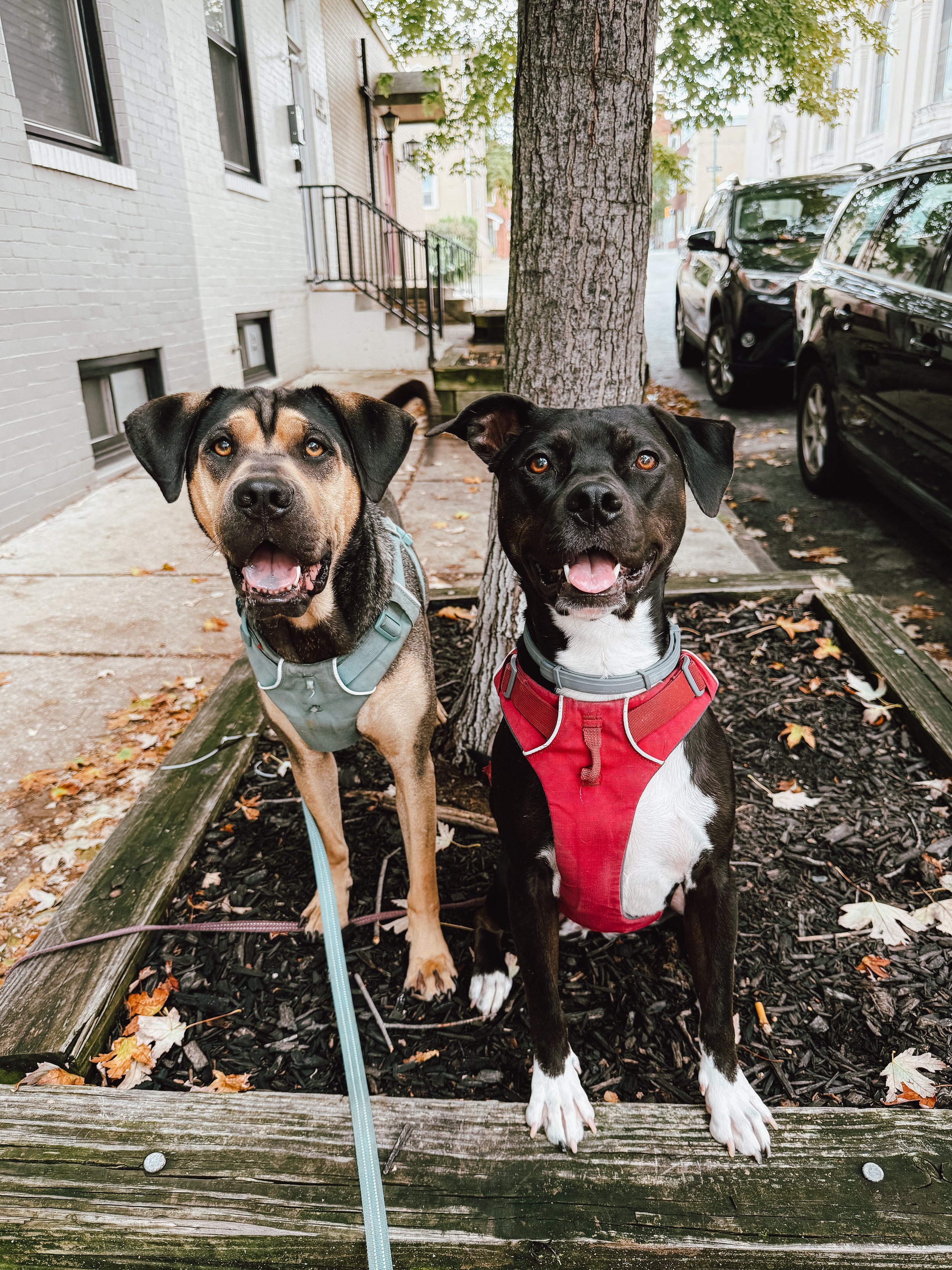
This is my personal favorite. Both of my dogs—my Shepherd mix in the picture and my American Bully— now wear this one.
Pros:
Second strap around the body which makes it far more difficult (maybe impossible) for a dog to escape the harness, so long as it’s properly fit.
Well made, reliable. Lasts years!
Lightweight
Covers more of the underside of the body
Handle on the back
Cons:
Front section isn’t adjustable.
No padding.
The harness for “head shy” or “gear shy” dogs:
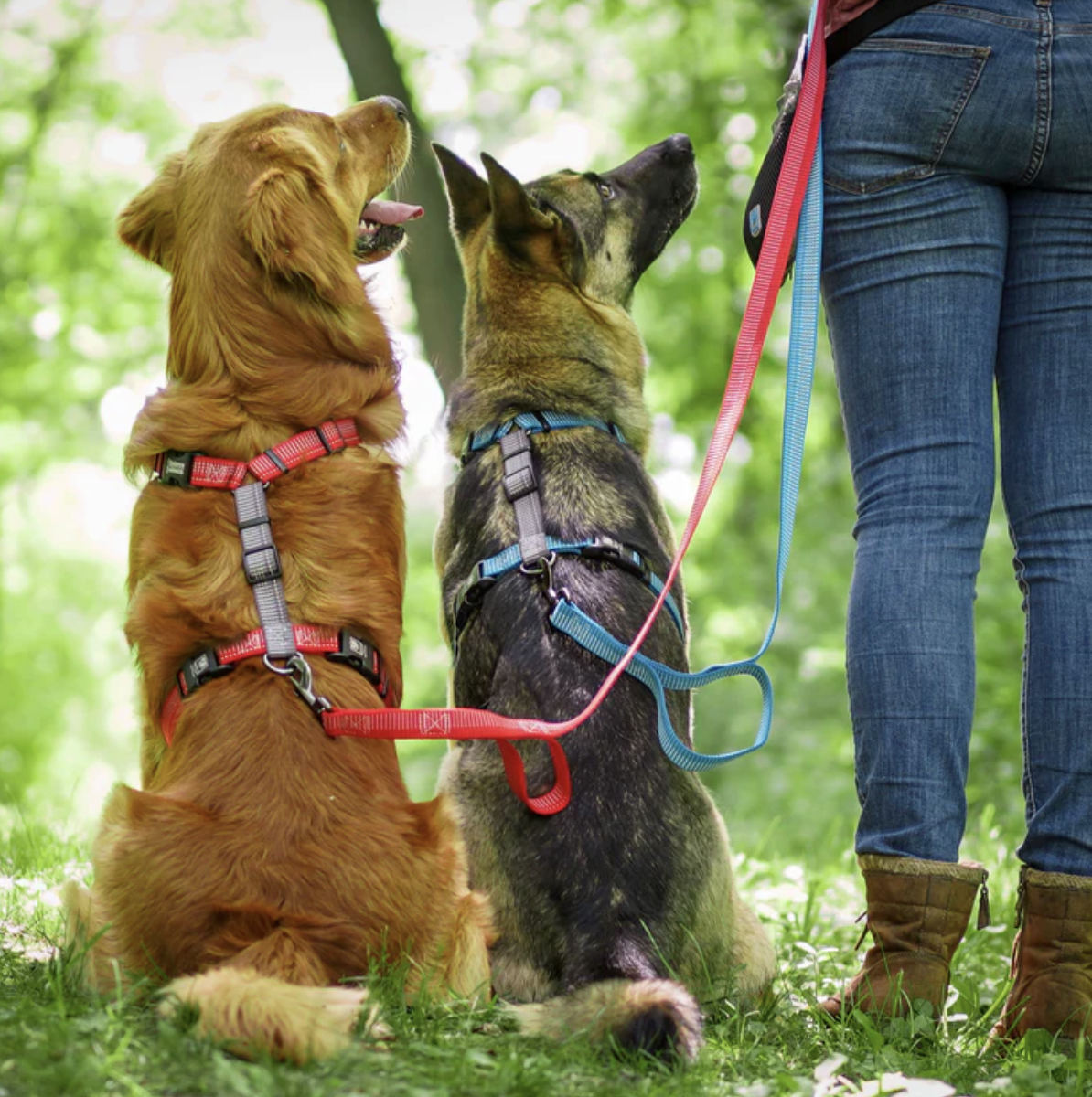
Blue-9 Balance Harness
Pros:
Snaps around the neck so nothing has to slip over the head! Great for dogs who are head shy/gear shy.
Fully adjustable
Also designed to prevent armpit irritation
Stronger than it looks
Reflective option
Cons:
Oddly expensive relative to other options
Very minimalist, which could be a “pro” if you like that feature
Image from Blue9
Harnesses for Small/Tiny Dogs
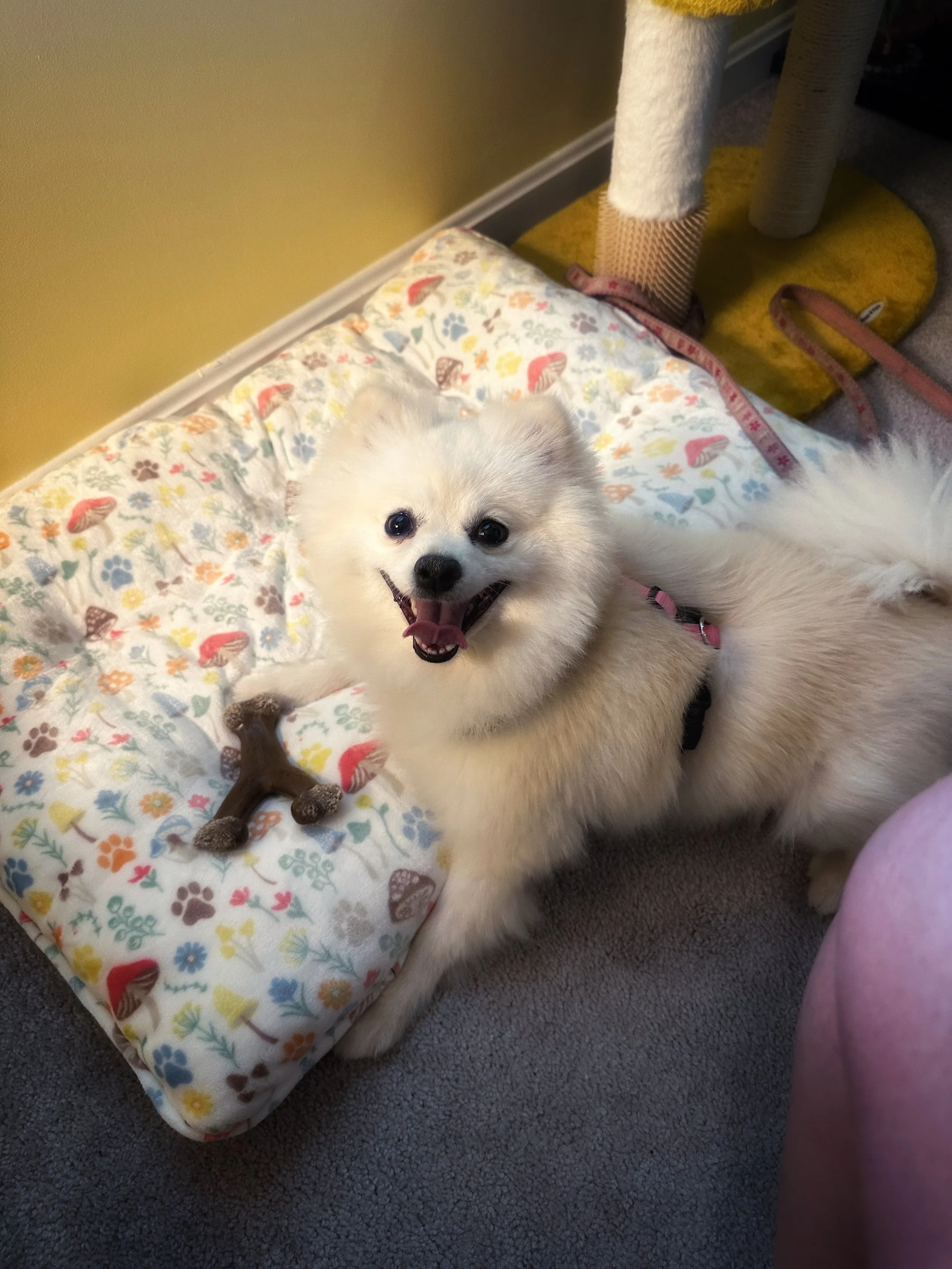
Most harnesses offer options that will work for dogs down to about 15-20 lbs, but if your dog is smaller, they can be harder to find. Here are a few options:
Blue-9 Balance Harness - XS has a 13.5-18” chest girth. Very adjustable (great for irregular shapes).
Ruffwear Front Range Flex - Lighter design than other Ruffwears and goes down to a XXXS.
PetSafe 3-in-1 - XS chest girth 13-19"
Lupine Roman Harness (MicroBatch) - XS has a 9-14” chest girth; very adjustable style. Lupine's website has other Roman Harness patterns and solids.
Chai's Choice Premium Outdoor Adventure harness - XS has an 11-15" chest girth.
The Lucy & Co. harness - An unusual design, but still a non-restrictive y-front. XS has a 12-15” chest girth. Lots of designs on their site and some on Chewy, too.
Puppia Polyester Back Clip Harness - XS has a 9-12.5" chest girth.
Red Dingo Classic Nylon - XS has a 11.8 -17.3" chest girth. Very adjustable.